In case you are looking for the ideal BIM certification course in Kerala, you are already on your way to choosing one of the most popular careers in construction technology. The use of BIM is the industry standard in Architecture, Engineering and Construction (AEC) around the world, and Kerala's construction industry is now embracing it more than ever.
What Is BIM and Why Does It Matter?
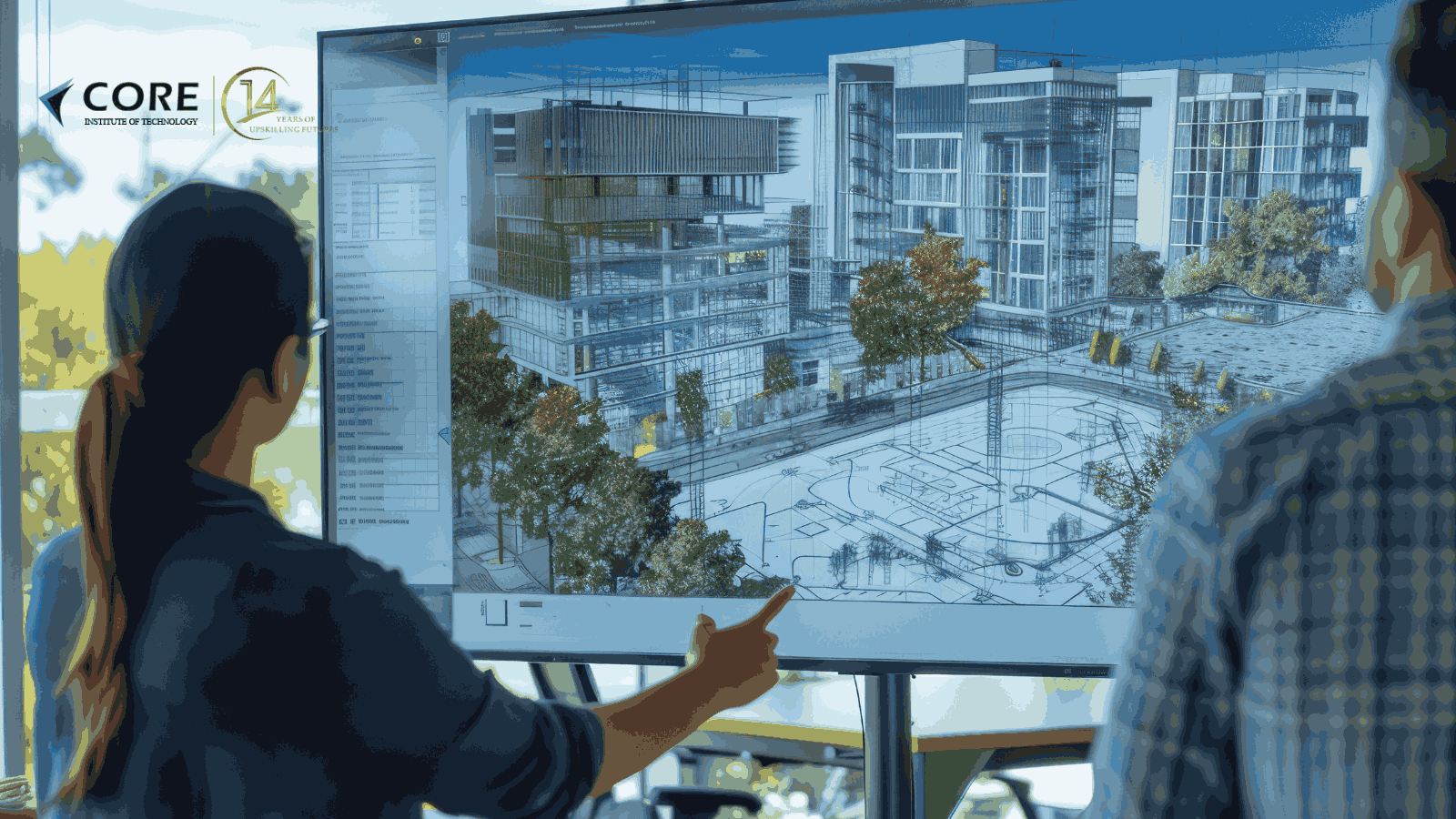
BIM is a digital technology that lets architects, engineers, and construction professionals plan, design, and manage the building process using 3D models. Contrary to the conventional 2D drawings used, BIM brings all the elements including data, schedule, and cost into one model.
-
Reduces design errors and rework on site
-
Improves collaboration between architects, structural engineers, and MEP teams
-
Cuts project timelines through clash detection
-
Increasingly mandated by government and private infrastructure projects
-
Opens doors to international job opportunities in Gulf countries, UK, and Australia
Why Choose a BIM Certification Course in Kerala?
Kerala is becoming an emerging ground for construction technology training, and by opting to study BIM certification course in Kerala, you will be at an advantage compared to other training programs that are either online-based or just any other course. The local institutions know what the industry wants in the region but will train you using globally acknowledged software.
-
Access to experienced trainers with real project exposure
-
Hands-on lab sessions instead of just theory
-
Placement networks connected to Kerala-based and international construction firms
-
Flexible batch timings for students and working professionals
-
Affordable fee structures compared to metro cities
What Will You Learn in a BIM Certification Course?
A well-structured BIM certification course in Kerala should cover both software skills and real-world project application.
Here's what a comprehensive syllabus typically includes:
Core Software Tools
-
Autodesk Revit (Architecture, Structure, and MEP)
-
Navisworks for clash detection and coordination
-
AutoCAD fundamentals for 2D-to-3D transition
-
BIM 360 / Autodesk Construction Cloud for collaboration
Practical Skill Development
-
3D modeling of residential and commercial buildings
-
Quantity takeoff and BOQ preparation
-
MEP coordination and clash resolution
-
Construction documentation and drawing sheets
-
Live project simulations based on real site scenarios
How Do You Choose the Right BIM Training Institute?
Not every institute delivers equal value. Before enrolling in a BIM certification course in Kerala, evaluate the following:
-
Curriculum depth — Does it cover Revit, Navisworks, and MEP integration, or just one software?
-
Trainer experience — Are trainers practicing engineers or only academic instructors?
-
Placement support — Is there a genuine placement cell with industry tie-ups?
-
Lab infrastructure — Are systems updated with licensed software?
-
Batch size — Smaller batches mean better individual attention
-
Certification recognition — Is the certificate valued by recruiters and international employers?
This is precisely where Core Institute of Technology distinguishes itself. An institute based out of Kerala, which boasts a decade long tradition of training programs, Core Institute of Technology concentrates on practical project-based learning as opposed to theoretical classes.
Why Core Institute of Technology for Your BIM Certification?
Core Institute of Technology has built its reputation on transparent training delivery and measurable outcomes.
Here's what makes it a preferred choice for a BIM certification course in Kerala:
-
Industry-aligned curriculum designed with input from practicing BIM professionals
-
Hands-on training on live and simulated projects, not just recorded tutorials
-
Experienced faculty with real MEP, civil, and structural project backgrounds
-
100% placement support with dedicated career guidance
-
Flexible online and offline batches across Trivandrum, Kochi, Thrissur, and Palakkad
-
AI-powered learning tools to reinforce concepts beyond the classroom
-
Transparent fee structure with no hidden charges
-
Small batch sizes ensuring individual mentorship
At Core Institute of Technology, the focus stays on outcomes — job readiness, portfolio building, and confidence to handle real BIM projects from day one.
How Is This Different From Other Institutes?
Many training centers advertise BIM courses but fall short on delivery.
Here's a clear comparison:
-
Generic institutes: Focus only on software tutorials → Core Institute of Technology: Focuses on complete workflow, from modeling to project coordination
-
Generic institutes: Large, impersonal batches → Core Institute of Technology: Smaller batches with direct trainer access
-
Generic institutes: Placement assistance is optional or limited → Core Institute of Technology: Structured placement support built into the program
-
Generic institutes: Outdated syllabus → Core Institute of Technology: Regularly updated curriculum matching current industry tools
-
Generic institutes: No post-course support → Core Institute of Technology: Continued guidance even after course completion
What Career Opportunities Open Up After Certification?
Completing a BIM certification course in Kerala can lead to multiple career paths:
-
BIM Modeler (Architecture / Structure / MEP)
-
BIM Coordinator
-
Revit Technician
-
Quantity Surveyor with BIM specialization
-
Construction Project Coordinator
-
MEP Design Engineer
Those who have BIM qualifications are becoming more and more in demand in the booming infrastructure projects of Kerala as well as in the construction industry outside the state and even internationally.
Is BIM Certification Worth It for Freshers and Working Professionals?
Yes — and here's why it solves a real career problem for both groups:
-
For freshers: It bridges the gap between academic knowledge and industry-ready skills, making you job-ready faster than a traditional degree alone.
-
For working professionals: It adds a high-demand specialization that can lead to promotions, better pay, and international opportunities without needing a full career switch.
Frequently Asked Questions
1. What is the duration of a BIM certification course in Kerala?
Most programs range from 2 to 6 months, depending on whether you choose a foundation-level or advanced specialization track.
2. Do I need an engineering background to join?
Not necessarily. While engineers can dive into advanced modules directly, many institutes, including Core Institute of Technology, offer beginner-friendly tracks for non-engineers too.
3. Is BIM certification recognized outside Kerala?
Yes, BIM skills and Autodesk-based certifications are recognized globally, especially in Gulf countries, the UK, and Australia.
4. What is the average salary after BIM certification?
Entry-level BIM modelers in India typically start between ?2.5–4 LPA, with significant growth potential as experience and specialization increase.
5. Does the course include placement support?
At Core Institute of Technology, placement support is built into the program, connecting graduates with construction and engineering firms actively hiring BIM professionals.
6. Can I pursue this course online?
Yes, flexible online and offline batch options are available to suit students and working professionals.
Final Thoughts: Take the Next Step in Your BIM Career
Selection of the right BIM certification program in Kerala could be the decisive moment for your engineering career. Considering the increasing demand for BIM practitioners within the field of residential, commercial, and infrastructural development, it is now the perfect time to develop this highly sought-after skillset.
If you are seeking a training institute that not only provides quality training but also maintains transparency and delivers on the placement front, then Core Institute of Technology is the right training partner for you.