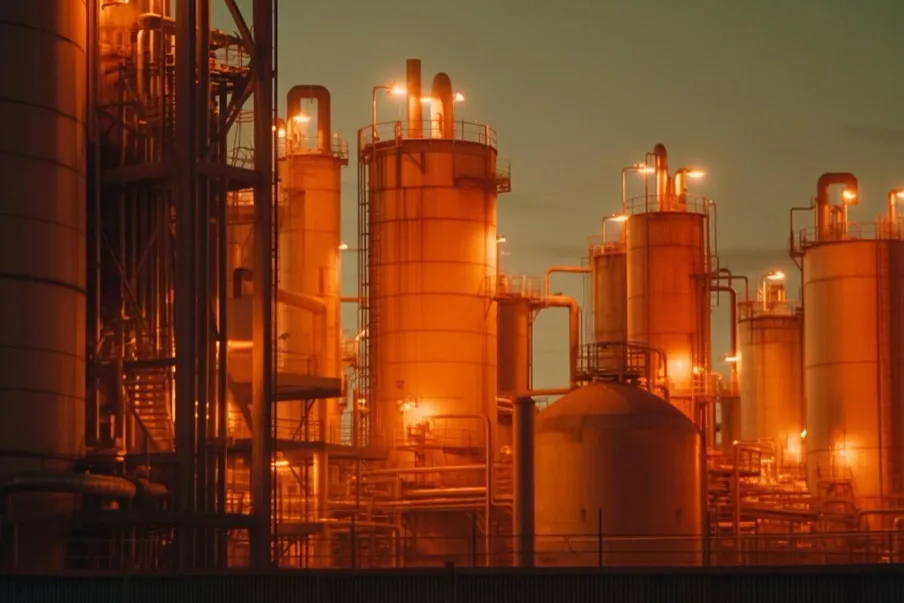
Oil and gas refinery with lit distillation columns, storage vessels and process pipework at dusk
Best Oil & Gas Engineering Training Institute in Kerala

Oil & Gas Engineering Course in Kerala

4.7/5 from 16,756+ reviews

Turn the earth's hidden energy into a global career. Our six-month Diploma in Oil & Gas Engineering takes you through exploration, drilling, production, processing, piping and pipelines, HSE, welding and inspection, the way the industry actually works. Classroom training in Kochi, Thrissur, Irinjalakuda, Attingal (Trivandrum) and Palakkad, plus online and hybrid batches across Kerala.

Explore Syllabus
CTDS certification logo
ASNT (American Society for Nondestructive Testing) logo
Autodesk Authorized Training Center logo
AICTE logo
Certiport Authorized Testing Center logo
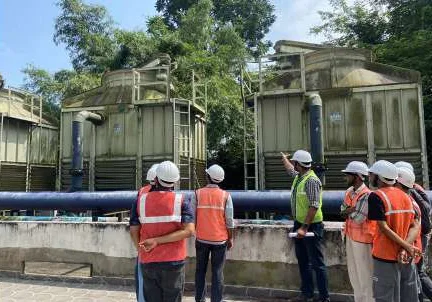
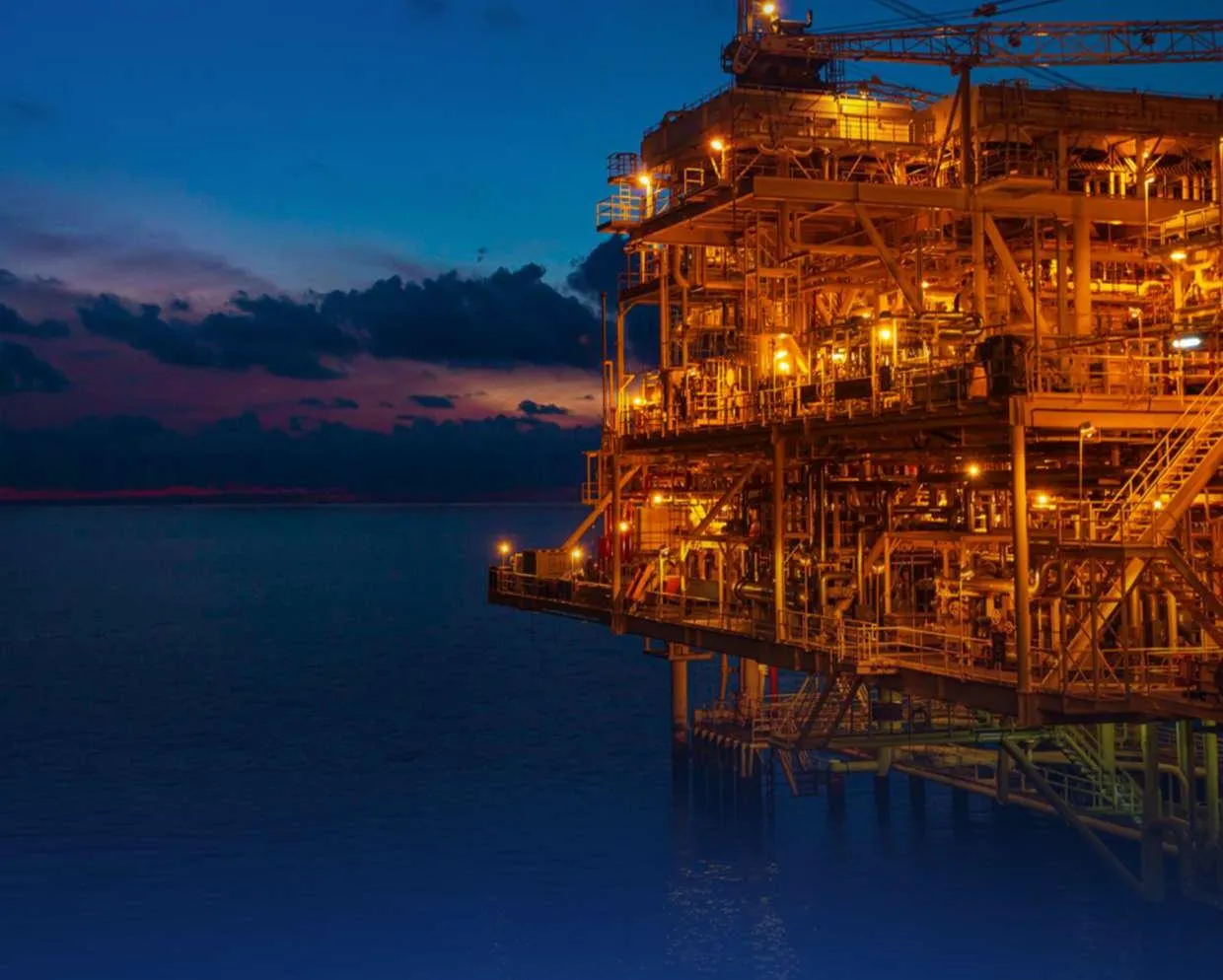
Offshore oil and gas production platform lit up at dusk over the sea CORE Institute students in hard hats and safety vests on an industrial plant visit beside cooling towers
Upstream to Downstream
Course Overview

Diploma in Oil & Gas Engineering at Core Institute of Technology

The Core Institute of Technology's Diploma in Oil & Gas Engineering is a thorough programme that prepares you for a rewarding career in the dynamic oil and gas sector. It covers the fundamental principles, practices and technologies involved in the exploration, production and management of oil and gas resources.

Oil and gas engineering is one of the core sectors behind the world's energy needs. You learn how hydrocarbons are found, drilled, produced, processed and transported safely, and you build the design, inspection and safety skills that employers in exploration firms, drilling contractors, refineries, pipeline projects and EPC companies look for.

  • Petroleum geology
  • Drilling & well engineering
  • Production & process
  • Piping & pipelines
  • HSE & permit to work
  • Welding & NDT inspection
Why Train With CORE

Key Highlights of the Oil & Gas Program

An industry-related curriculum, taught by people who have worked in the field, with real exposure to plants and projects.

Industry-Related Curriculum

Classes in petroleum geology, drilling operations, reservoir engineering, production methods, pipeline transportation and safety regulations, so you understand the whole value chain.

  • 11 modules, upstream to downstream
  • ASME B31.3, B31.1 & API codes
  • AutoCAD Piping drawings

Industry Experts

Our faculty are oil and gas professionals who bring practical experience to the classroom and keep the content current with what sites and plants need.

  • Weekly mentor-led sessions
  • Real drawings, WPS & reports
  • Quick doubt clearing & feedback

Field Trips & Exposure

Industrial visits and interaction with oil and gas and process companies show you real operations, technology and the jobs on offer.

  • 5+ industry visits
  • 10+ career-guided sessions
  • Case studies & group projects
Who should join: Plus Two & ITI Diploma Holders B.Tech & M.Tech Chemical & Petroleum Any Degree Working Professionals
The Whole Industry

From Reservoir to Refinery

Oil and gas work splits into three stages. The course covers all of them, so you can choose the specialisation that suits you.

Upstream

Exploration & Production

Finding and producing hydrocarbons: petroleum geology, geophysics, drilling, well design, reservoir and production engineering, onshore and offshore.

Midstream

Transport & Storage

Moving oil and gas safely: pipeline design and construction, piping codes, pipe supports, corrosion control, storage and distribution systems.

Downstream

Refining & Processing

Turning crude into products: process engineering, separation and distillation, refining technologies, plant piping and inspection.

Drilling

Methods, rig equipment & well planning

Production

Artificial lift & optimization

Process

Refining, separation & distillation

Piping & Pipelines

Design, codes, P&ID & AutoCAD Piping

Welding & Inspection

WPS, PQR, NDT & coating checks

HSE

Risk, permits, H2S & emergency response

11 Modules

Oil & Gas Engineering Course Syllabus

A complete curriculum that follows oil and gas from the reservoir to the refinery, with safety, welding and inspection built in.

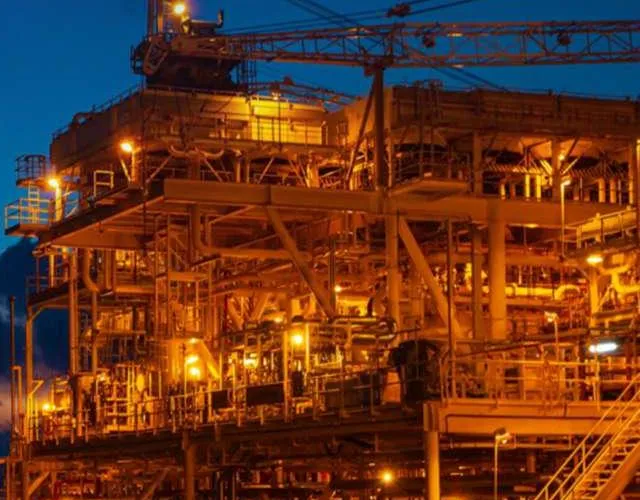
Module 1 Offshore oil and gas platform with process decks and pipework at dusk

Introduction to the Oil & Gas Industry

  • Overview of the Oil & Gas Sector
  • Exploration & Production Processes
  • Upstream, Midstream & Downstream
  • Onshore vs Offshore Operations
Module 2 Engineers in hard hats reviewing survey data and drawings at an industrial site

Petroleum Geology

  • Geological Formation of Oil & Gas
  • Reservoir Characterization
  • Exploration Techniques
  • Basic Geophysical Methods
Module 3 Drilling and process decks of an offshore oil platform with a pedestal crane

Drilling Engineering & Well Engineering

  • Drilling Methods & Techniques
  • Drilling Equipment & Technologies
  • Well Design, Planning & Inspection
  • Health, Safety & Environmental Considerations
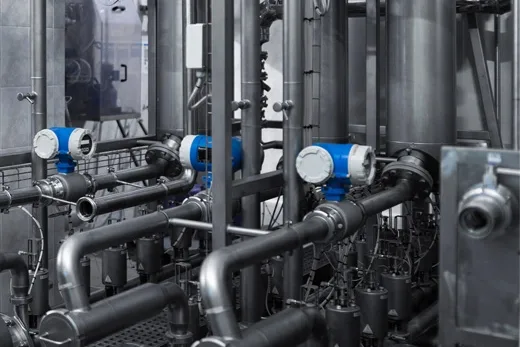
Module 4 Steel production pipework with flanged joints, valves and flow meters

Production Technology

  • Production Techniques & Systems
  • Artificial Lift Methods
  • Surface & Subsurface Equipment
  • Production Optimization
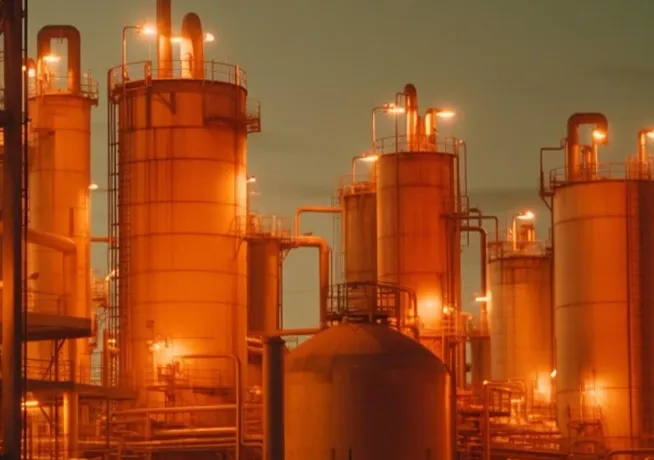
Module 5 Refinery distillation columns and process vessels connected by pipework

Process Engineering in Oil & Gas

  • Fundamentals of Process Engineering
  • Refining Processes & Technologies
  • Separation & Distillation
  • Thermal Performance Assessment
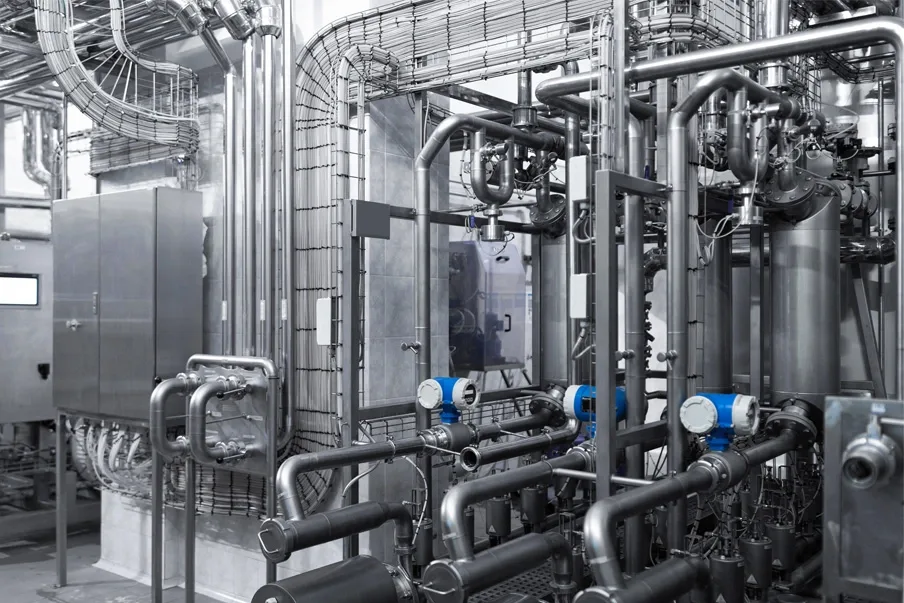
Module 6 Plant room with steel process piping, valves and pipe supports

Piping & Pipeline Engineering

  • Pipeline Design & Construction
  • Piping Fittings, Valves & Flanges
  • Materials & Corrosion Management
  • ASME B31.3, B31.1 & API Codes
  • Isometric, P&ID, PFD & GA Drawings
  • Pipe Routing & Layout Planning
  • Pipe Support Systems
  • Pipeline Inspection & Maintenance
  • Transportation & Distribution Systems
  • AutoCAD Piping
PracticalsDraw a piping isometric and a P&ID in AutoCAD Piping
Module 7 Engineer reviewing reservoir data and documents at a desk

Reservoir Engineering

  • Reservoir Behaviour & Properties
  • Enhanced Oil Recovery (EOR) Techniques
Module 8 Engineers in safety helmets and high-visibility vests on an industrial site

Health, Safety & Environment (HSE)

  • HSE Regulations & Standards
  • Risk Assessment & Management
  • Emergency Response Planning
  • Environmental Management Systems
  • Permit Receiving
  • H2S Detailing
Module 9 Technician in a safety helmet carrying out an inspection

Welding Engineering

  • Welding Processes
  • Weld Defects
  • Electrodes & Codes
  • WPS, PQR & Welder Qualification
  • Pipe Weld Testing: Hydrotest & Steam Test
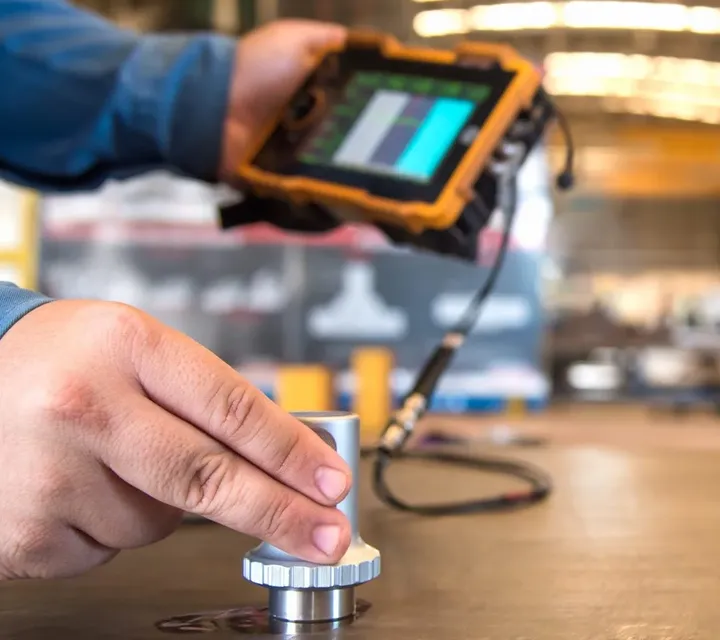
Module 10 Ultrasonic probe on a steel plate connected to a handheld flaw detector

Inspection Techniques in Oil & Gas

  • Introduction to Non-Destructive Testing
  • NDT Methods (ASNT Level II Syllabus)
  • VT, PT, MT, UT, RT, ET & UT Thickness Gauging
  • NDT Report Generation
  • Painting Inspection
  • Coating Types & Applications
  • Surface Preparation & Coating Inspection
  • Insulation Inspection & Materials
PracticalsRun a UT thickness survey and write the NDT report
Module 11 Clipboard with a checklist beside a laptop

Projects, QA/QC Documentation & Assessment

  • Case Studies & Group Projects
  • Basics of Project Management
  • QA/QC Documentation
  • Continuous Assessment: Assignments, Quizzes & Practicals
  • Final Examinations
Capstone25+ hour group project on a real oil and gas case study

Recommended reading: Fundamentals of Oil and Gas Industry for Beginners (Samir Ahmed), Petroleum Engineering Handbook (Larry W. Lake), Oil and Gas Production Handbook (Håvard Devold) and the ASNT Nondestructive Testing Handbook. Want to become a certified NDT technician too? Add our ASNT Level II NDT course.

Offshore oil and gas platform at night
6 Months of Progress

Invest 10 Hours a Week, Reshape Your Career

Plan for at least 10 hours of effort each week to learn and apply the concepts. Every day mixes theory with hands-on practice, and four assessments keep your progress on track.

1 hrDaily theory with expert mentors
1 hrDaily practical on workflows & drawings
120+Live sessions across the course
25+ hrsCapstone project work
How You Learn

Get Ahead by Doing

Learn the concepts, practise them on real oil and gas work, and leave ready for interviews.

01. Learn

  • Weekly 12-hour sessions with expert mentors and industry professionals
  • Bonus sessions on specialised oil and gas fields
  • Quick query resolution and personalised feedback

02. Practice

  • Collaborative design tasks guided by subject experts
  • A live capstone project from concept to execution
  • Detailed progress reports and feedback

03. Achieve

  • Knowledge across multiple oil and gas disciplines
  • Career sessions from day one
  • Networking, LinkedIn and profile optimisation
Career Paths

Career Opportunities in Oil & Gas

Graduates work with exploration firms, drilling contractors, production operators, refineries, EPC contractors, service providers and government organisations in India and the Gulf. As the industry keeps evolving, you can keep learning and move into higher roles.

Drilling Engineer
Production Technologist
Process Engineer
Piping / Pipeline Engineer
Reservoir Analyst
Field Operations Supervisor
HSE Officer
QA/QC & Welding Inspector
Students and faculty at CORE Institute of Technology

Enroll Now

Take the first step towards a career in oil and gas. Secure your seat in the next Oil & Gas Engineering batch today.

CTDS & Core CertifiedPlacement AssistanceIndustry VisitsClassroom | Online | Hybrid
Placements

Our Students Get Placed

CORE students are working with engineering, industrial and construction companies across Kerala and India. Core Launch Pad supports you with resume reviews, mock interviews and alumni job boards.

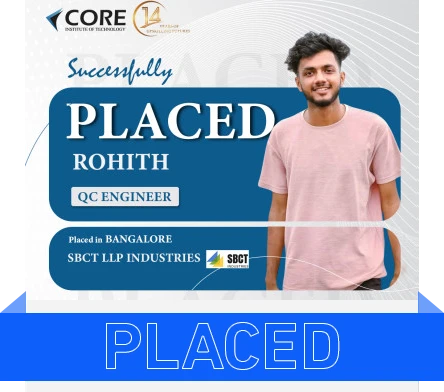
CORE Institute student Rohith placed as QC Engineer at SBCT LLP Industries, Bangalore
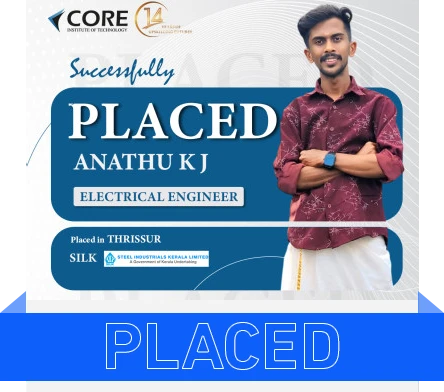
CORE Institute student Anathu K J placed as Electrical Engineer at Steel Industrials Kerala Limited, Thrissur
CORE Institute student Midhuna V P placed as Quantity Surveyor at KSA Kunnamkulam
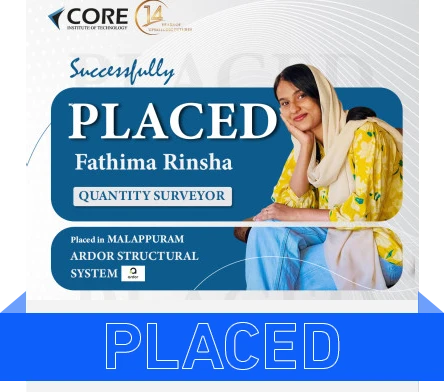
CORE Institute student Fathima Rinsha placed as Quantity Surveyor at Ardor Structural System, Malappuram
Recognition

Certification & Affiliations

On completing the Oil & Gas Engineering course you receive CTDS and Core certifications. CTDS (Council for Technical Development Continuing Academic Educational & Scientific Studies) is registered as an NGO under the aegis of the Government of India, and Core Institute of Technology is an authorised certified training centre.

What You Receive

Globally recognised credentials that validate your skills and help you stand out to oil and gas employers.

  • CTDS Certificate
  • Core Course Completion Certificate
  • Capstone project for your portfolio
  • Core Launch Pad career support
CORE Institute graduates in caps holding their course certificates
CORE Institute of Technology certifications and affiliations including CTDS, Autodesk, ASNT, Certiport, SAP and Tally
Admission

Kickstart Your Journey With Our Next Batch

Open to candidates who have completed Plus Two (12th grade) or higher. Enrol online or at any CORE centre.

  1. Apply for the course
  2. Speak to an academic counsellor
  3. Submit your application to get shortlisted
  4. Profile screening
  5. Complete payment and reserve your seat
Awards

Awards & Recognition

Recognised by Autodesk and CTDS for training quality and student outcomes.

CORE Institute of Technology team at the Autodesk ALP Elevate Partner Summit 2026 India, Autodesk Learning Partner
Autodesk ALP Summit 2026
CTDS Excellence Certificate awarding CORE Institute of Technology centre of excellence 2023-2024
CTDS Centre of Excellence 2023–2024
CORE Institute team receiving the CTDS Excellence Award 2023-2024
CTDS Excellence Award Ceremony

Frequently Asked Questions

What is the Oil and Gas Engineering course?

The Diploma in Oil & Gas Engineering at CORE Institute of Technology is a six-month programme that covers the full oil and gas value chain: exploration, drilling, production, processing, pipelines and refining, together with HSE, welding and inspection. It prepares you for technical roles in oilfields, refineries, offshore platforms, pipeline projects and EPC companies.

How long is the Oil and Gas course?

The course runs for six months. A typical week has about 12 hours of training, made up of daily theory and practical sessions, plus a project of 25 hours or more, case studies, field trips and four assessments.

Who can join the Oil and Gas Engineering course?

The course is open to anyone who has completed Plus Two (12th grade) or higher. It suits ITI and diploma holders, B.Tech and M.Tech graduates in mechanical, chemical, petroleum, civil or electrical engineering, other graduates, and working professionals who want to move into the oil and gas sector.

What does the Oil and Gas course syllabus cover?

The syllabus has eleven modules: introduction to the oil and gas industry, petroleum geology, drilling and well engineering, production technology, process engineering, piping and pipeline engineering with ASME B31.3 and AutoCAD Piping, reservoir engineering, HSE, welding engineering, inspection techniques including NDT, coating and insulation inspection, and a final module on case studies, project management basics and QA/QC documentation.

Does the course include welding and NDT?

Yes. You learn welding processes, weld defects, electrodes and codes, WPS, PQR and welder qualification, and pipe weld testing such as hydrotesting. The inspection module introduces NDT methods (VT, PT, MT, UT, RT, ET and UT thickness gauging) at the ASNT Level II syllabus level, along with NDT report writing, painting, coating and insulation inspection. For full ASNT Level II certification you can add our NDT Level II course.

What are the different training modes available?

We offer three training modes: Classroom, Online and Hybrid. You can choose the mode that best fits your schedule and learning preferences.

Which certificates will I receive?

On successful completion of the Oil and Gas Engineering course you receive CTDS and Core certifications, which strengthen your resume and show employers your oil and gas engineering skills.

What jobs can I get after the Oil and Gas course?

Graduates work as Drilling Engineers, Production Technologists, Process Engineers, Piping and Pipeline Engineers, Reservoir Analysts, Field Operations Supervisors, HSE Officers and QA/QC or Welding Inspectors with exploration companies, drilling contractors, production operators, refineries, EPC contractors and service providers in India and the Gulf. CORE provides placement assistance.

Where can I attend Oil and Gas classes in Kerala?

Classroom training is available at our centres in Kochi, Thrissur, Irinjalakuda, Attingal (Trivandrum) and Palakkad. The course is also offered online and in hybrid mode, so students from Ernakulam, Kottayam, Kollam, Chalakudy and across Kerala can join.
Visit Us

Oil & Gas Training Centres in Kerala

Kochi (Head Office)

Ground Floor, V&S Building, Mariaman Kovil Road, Kacheripady, Kochi, Ernakulam, Kerala 682018

Thrissur (Regional Office)

Korappath Building, 2nd Floor, Machingal Line, MG Road, Naikkanal, Thrissur, Kerala 680001

Thrissur

2nd Floor, Trichur Trade Center, Kuruppam Rd, Marar Road Area, Thrissur, Kerala 680001

Irinjalakuda

2nd Floor, Edapully Emporium, Irinjalakuda Main Rd

Attingal, Trivandrum

1st Floor, Jasim Towers, above ICICI Bank, Attingal, Kerala 695101

Palakkad

H.M Tower, 2nd Floor, Coimbatore Rd, Kalmandapam, Palakkad, Kerala 678001